
Music as Therapy
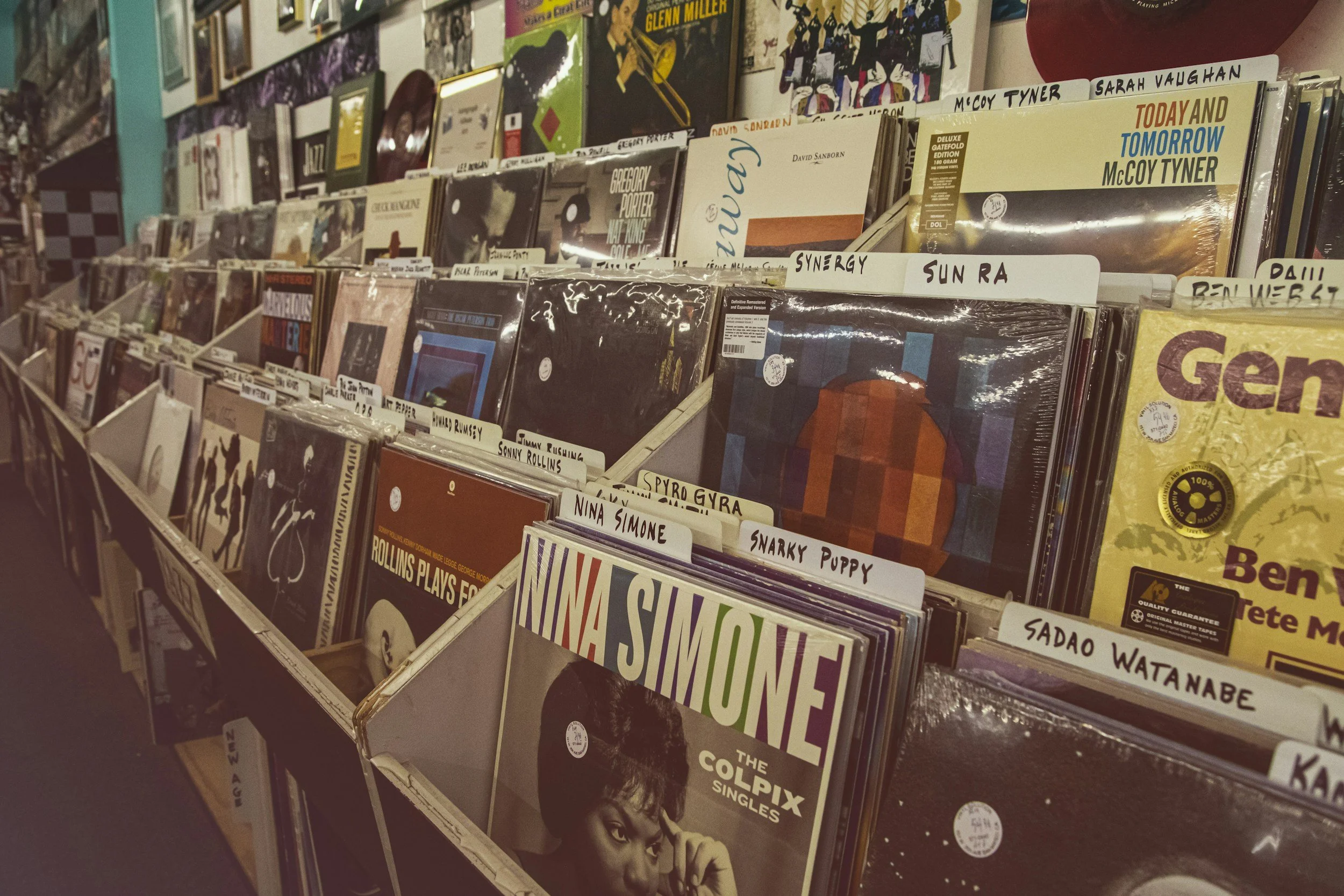
WHAT IS MUSIC? It is the art of arranging sound and silence to create emotional and aesthetic expression. Music is a universal language present in every society, woven into everything from daily entertainment to sacred rituals. While musical taste is personal, most people deeply appreciate its power. I enjoy a variety of genres but tend to favor the music I grew up with: Ella Fitzgerald, Nat King Cole, Frank Sinatra, Tony Bennett, and the Big Bands of the 1930s, '40s, and '50s.
In the clinical health professions, music is used to achieve goals such as pain management, emotion regulation, and rehabilitation. This can involve activities like rhythmic movement, songwriting, drumming, and guided listening. Music therapy has been shown to help with anxiety, autism, dementia, and stroke recovery; consequently, it is used extensively in hospitals, schools, nursing homes, and rehabilitation centers.
With that in mind, I would like to share a personal story from my days as a hospice nurse. I had been assigned to a new patient who was nearing the end of her life. When I walked into her semi-darkened room, I saw an elderly lady lying quietly. She did not open her eyes when I gently spoke to her. She was wearing a beautiful pink bed jacket from the 1930s or '40s. On the wall above her bed hung a large, striking photo of a handsome young man in a World War II soldier’s uniform. I later learned he was her husband of 65 years, who had recently passed away.
Her family mentioned she had been extremely agitated and restless, which was depriving her of much-needed peace. In hospice care, patients receive powerful medications to relieve pain and stress, yet for her, nothing seemed to work. Because the family said she loved music, I suggested we try playing her favorite songs softly in the background. It turned out she was a lifelong Frank Sinatra fan—a true "bobby-soxer."
We played his records 24/7, and the transformation was unbelievable. She became calmer, more alert, and showed a marked decrease in anxiety. I was there when she eventually passed away, surrounded by her loving family and the gentle, familiar sounds of the music she loved so well.
IN CLOSING: Music helps seniors improve cognitive function, boost mood, and enhance social interaction. It acts as a powerful tool for memory recall, particularly for those with dementia, by stimulating brain activity and emotional connection. As a senior myself, I find that music evokes specific memories of different times in my life. I usually have it playing in the background on my Bose radio to support my own physical and mental well-being.
Enjoy music in whatever form you choose, and I hope you will encourage others to do the same. Join in the fun... sing, dance, and keep the music playing!
~ LaVerne Wallace ( Co-Founder )
